Adhesive latches: fast, surface-picky
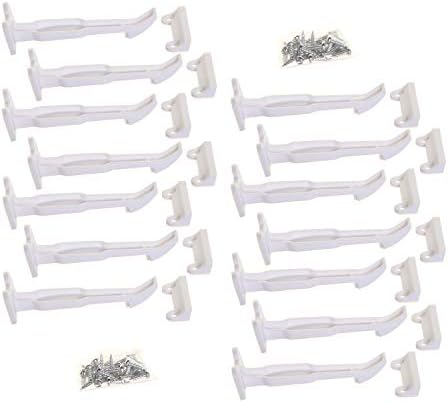
Adhesive strap and lever latches install in seconds and drill no holes, which makes them the default for rentals and for awkward surfaces like the fridge or the toilet lid. Their weakness is the surface itself: they hold on smooth, clean, non-porous finishes and give up on raw wood, textured laminate or anything dusty.
Clean with alcohol, press hard, and give the adhesive a day to cure before the first tug. Most adhesive latch complaints are actually curing-time complaints.
Screw-fixed latches: invisible and stubborn
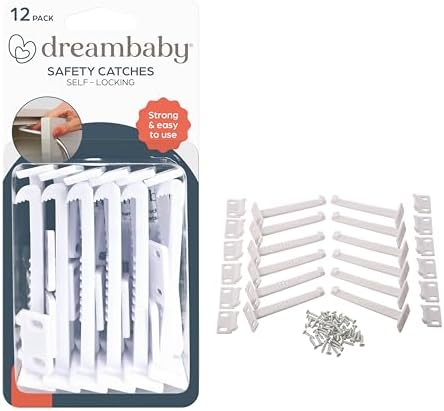
Latches that screw to the inside of the door and frame survive years of yanking and leave the outside of the cabinet clean. They suit the cabinets you will keep locked for years, the under-sink chemicals cabinet above all.
The cost is a drill and ten minutes per door, and the classic mistake is mounting the catch too far from the edge, which lets the door open wide enough for small fingers. Follow the template in the pack.
Magnetic locks: nothing to see, key to keep
Magnetic locks keep the door completely flush, with no gap at all, and open only with the magnet key held to the right spot. They are the tidy answer for front-facing kitchen cabinets where looks matter.
Buy more keys than you think you need and give each floor of the house one. The lock works whether or not you can find the key; the kitchen at dinner time does not.
Sliding and multi-purpose straps
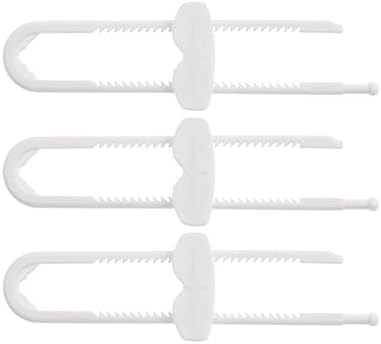
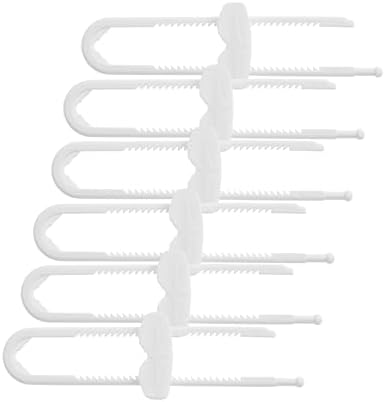
Sliding cabinet locks hook through side-by-side handles and need no installation at all, which makes them the travel option for visiting the grandparents. Flexible straps bend around corners and lock appliances, bins and toilet lids that no rigid latch fits.
Neither is as elegant as a built-in latch, and both are working exactly as designed when a toddler stands there rattling the handles in frustration.
Worth remembering
- Adhesive latches need smooth non-porous surfaces and a full day of curing.
- Screw-fixed latches are the durable choice for permanently locked cabinets.
- Magnetic locks keep doors flush; spare keys are part of the system.
- Sliding locks need side-by-side handles and zero installation, ideal for travel.
Match the mechanism to the door and the surface, and every latch in the line does its job. Match it to a photo and half of them will not.